Best Home Physiotherapy in Dhankawadi Pune | Stroke, Knee & Back Pain Treatment at Home
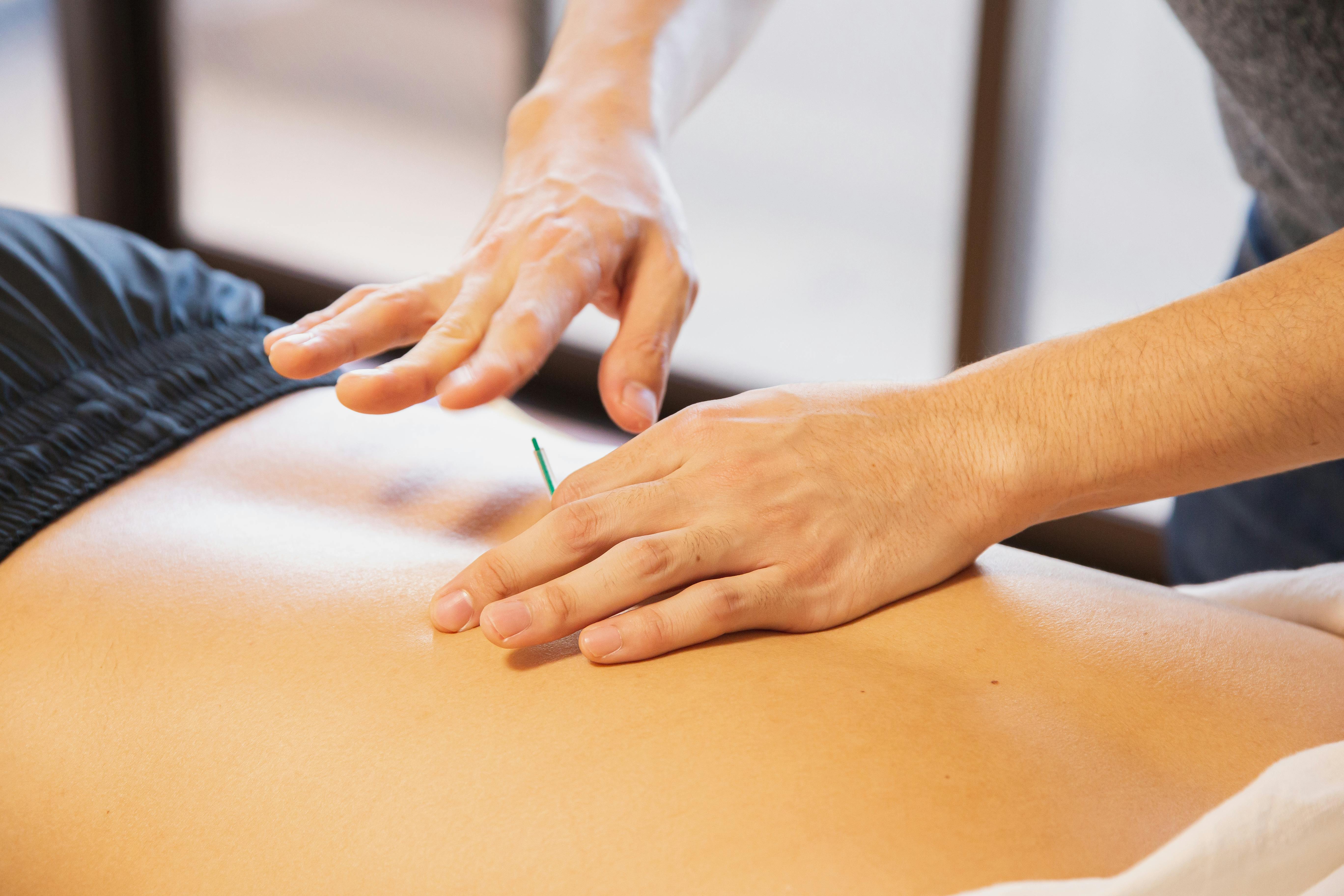
Dealing with severe joint pain or recovering from a major medical event is incredibly stressful for both the patient and their family. Add the daily traffic of Pune to the mix, and simply traveling to a clinic can feel like an impossible hurdle. Bumping along uneven roads on a two-wheeler or sitting cramped in an auto-rickshaw often makes back or knee pain much worse before you even reach the doctor. That is exactly why finding the Best Home Physiotherapy in Dhankawadi Pune | Stroke, Knee & Back Pain Treatment at Home has become a priority for so many local families. Getting professional care right in the comfort of your own living room removes the travel anxiety and lets the patient focus 100 percent on getting better.
When you have a trained professional guiding you at home, the entire dynamic of healing changes. You are in your own safe space. The exercises are tailored to your actual environment, using your bed, your chairs, and your stairs. With 15 years of clinical experience behind the methods used at Proper Care Physiotherapy, the approach is always about what works in real daily life, not just what looks good in a textbook.
Common Conditions Treated by Physiotherapy
Physical therapy isn't just about giving massages or simple stretches. It is a highly specialized medical science designed to restore movement and function. Over the years, the clinical caseload in Pune has shown a steady rise in specific lifestyle and age-related conditions. Here are the primary issues that require dedicated home care:
- Stroke Rehabilitation and Paralysis: Recovering from a stroke is a demanding journey. The brain needs to literally rewire itself, a process called neuroplasticity. Doing this at home is highly effective because the patient practices moving around their actual house. Therapy involves bed mobility exercises, helping the patient safely transfer from the bed to a chair, balancing drills, and slowly retraining the body to walk. Preventing muscle stiffness (spasticity) and avoiding bedsores are huge priorities in the early stages.
- Severe Knee Pain and Osteoarthritis: Knee pain is incredibly common, especially among older adults in Pune who live in buildings without elevators. Cartilage wears down over time, causing bone-on-bone friction. Home therapy focuses on strengthening the quadriceps and hamstrings to take the load off the knee joint. It also involves pain relief techniques and gait training to correct how the person walks, preventing further damage. Post-surgical care for knee replacements also falls heavily into this category.
- Chronic Back Pain and Sciatica: Long hours sitting at IT jobs in Hinjewadi or Magarpatta, combined with long daily commutes, destroy spinal health. Many patients complain of a sharp, shooting pain traveling down their leg, which is classic sciatica. Treatment requires careful spinal decompression exercises, core strengthening, and teaching the patient how to sit, stand, and sleep without putting pressure on the lower back discs.
- Frozen Shoulder (Adhesive Capsulitis): A frozen shoulder can make it impossible to comb your hair or reach a high shelf. It is painful and stubbornly slow to heal. Therapy involves gentle, progressive range-of-motion stretches to break down the scar tissue in the shoulder joint capsule.
- Post-Fracture Stiffness: After a cast is removed, the limb is usually weak and stiff. Muscles waste away quickly when not used. Guided physical therapy safely rebuilds that lost muscle mass and restores full joint mobility without risking re-injury to the bone.
Step-by-Step Recovery Timeline
People often ask how long it will take to get better. Healing is a biological process that cannot be forced, but it can be guided optimally. While every human body reacts differently, a structured rehabilitation plan generally follows a predictable timeline.
- Phase 1: Complete Assessment and Pain Management (Days 1 to 7) The first few sessions are all about understanding the root cause. A full physical assessment is done right at your home. The immediate goal is to bring the pain levels down. This might involve gentle manual therapy, advising on proper resting positions, and teaching very basic movements to prevent stiffness. We don't push hard in this phase; we calm the nervous system down.
- Phase 2: Restoring Basic Mobility (Weeks 2 to 4) Once the acute pain subsides, the real work begins. If a joint is stiff, this is when we start gently pushing its limits. For a stroke patient, this might mean sitting up unassisted. For a knee patient, it means bending the knee past 90 degrees. You might feel a bit of muscle soreness during this phase, similar to a workout, but it should never be sharp joint pain.
- Phase 3: Strength and Stability Building (Weeks 4 to 8) Mobility without strength leads to re-injury. Now we introduce resistance. We might use therabands, light weights, or just body weight. If you have back pain, we strengthen the core muscles so they act like a natural corset for your spine. The focus shifts from lying down exercises to standing and dynamic movements.
- Phase 4: Functional Independence and Maintenance (Week 8 Onwards) The final goal is to make the patient independent. We simulate daily tasks. Can you climb the stairs to your apartment without pain? Can you easily get in and out of a rickshaw? We also create a simple, 10-minute daily exercise routine for the patient to continue on their own to prevent the issue from coming back.
Benefits of Physiotherapy Treatment
Opting for treatment, particularly home-based care, offers massive advantages over trying to heal through rest alone or relying heavily on painkillers.
- Personalized One-on-One Attention: In a busy clinic, a therapist might be managing three or four patients at once, hooking up machines and running between curtains. At home, you get 100 percent of the professional's undivided attention for the entire hour. Every repetition is monitored to ensure your form is perfect.
- Safety and Fall Prevention: For elderly patients or those recovering from a stroke, moving around outside is dangerous. A simple slip on a wet pavement can cause a hip fracture, turning a manageable situation into an emergency. Healing at home eliminates this risk completely.
- Family Involvement: This is a highly underrated benefit. When therapy happens in the living room, family members can watch and learn. The therapist can teach a spouse or adult child how to safely help the patient stand up, or how to assist with daily stretching. This creates a supportive environment that speeds up recovery.
- Faster Healing Process: People heal faster when they are relaxed. Clinics can be intimidating with their medical equipment and bright lights. Your home is your sanctuary. Less stress means lower cortisol levels in the body, which actually promotes better tissue healing.
- No Missed Appointments: Traffic on Satara Road or unexpected Pune rains often lead to canceled clinic visits. When the clinic comes to you, consistency is maintained. Consistency is the single biggest factor in successful rehabilitation.
Diet and Lifestyle Tips for Recovery
You cannot exercise your way out of a bad diet or poor sleep habits. Physical therapy fixes the mechanics, but your body needs raw materials to repair the tissues.
- Focus on Anti-Inflammatory Foods: Joint pain is driven by inflammation. Traditional Indian diets already have some great tools for this. Incorporate more turmeric, ginger, and garlic into your meals. Try to reduce processed sugars and refined flours (maida), as they can trigger inflammation flares in the body.
- Vitamin D and Calcium: A surprising number of people in sunny Pune have severe Vitamin D deficiencies because we spend all day indoors. You need Vitamin D to absorb Calcium. Without them, bones weaken (osteopenia or osteoporosis). Get 15 minutes of early morning sunlight on your skin and consult your doctor about supplements if needed.
- Hydration is Non-Negotiable: The discs in your spine are mostly made of water. Cartilage in your knees needs hydration to stay spongy and absorb shock. Drinking enough water throughout the day keeps your joints lubricated. Don't wait until you are thirsty.
- Fix Your Sleep Environment: If you are waking up with a stiff back, your mattress might be the culprit. A mattress that is too soft allows your spine to sag, while one that is too hard creates pressure points. Look for a medium-firm surface. Also, try placing a pillow between your knees if you sleep on your side to keep your hips aligned.
- Keep Moving: "Rest" does not mean lying in bed all day. Absolute bed rest is actually terrible for most types of back and joint pain. Gentle, pain-free movement is necessary to keep blood flowing to the injured area. Take short walks around the house every hour.
When Should You Visit a Physiotherapist
Many people wait months, hoping the pain will just vanish on its own. Ignoring the warning signs usually makes the treatment longer and more difficult later on. You should immediately seek an assessment if you notice any of the following:
- Pain that Lasts More than Two Weeks: A minor muscle tweak should feel significantly better within 4 to 7 days. If you are still limping or waking up in pain after 14 days, the body has failed to heal it naturally and needs intervention.
- Sharp, Shooting Pain: A dull ache is usually muscular. A sharp, electric shock-like pain that shoots down your arm or leg is almost always nerve-related. This needs immediate professional assessment before the nerve gets permanently damaged.
- Post-Surgical Discharge: If you just had a knee replacement, ACL reconstruction, or spinal surgery, physical therapy should start almost immediately after discharge. Delaying it leads to severe stiffness and scar tissue buildup.
- Visible Swelling or Deformity: If one knee is suddenly twice the size of the other, or if a joint looks misaligned, do not try to stretch it out yourself. Let a professional evaluate it.
- Loss of Balance or Weakness: If your knee suddenly "gives way" or buckles when you walk, or if you find yourself stumbling often, it indicates a lack of joint stability or a neurological issue.
Areas We Serve Near Pune
Traveling across Pune takes time, which is why we focus our home visit services to ensure prompt and reliable care. We primarily serve the southern and central corridors of the city. If you live in any of the following neighborhoods, you are perfectly positioned for our home care services:
- Dhankawadi: Our core service area. We can reach most societies here very quickly.
- Katraj: Covering all major residential complexes and the areas around the lake and bypass.
- Bibwewadi: Providing regular home visits to older neighborhoods and new developments alike.
- Padmavati and Sahakar Nagar: Offering quick access for elderly patients who prefer not to travel down to the main roads.
- Swargate Area: Managing the high demand for pain management in this busy central hub.
Why Choose Proper Care Physiotherapy
Inviting a medical professional into your home requires trust. You need to know that the person treating you or your elderly parents is highly qualified, patient, and deeply experienced. Proper Care Physiotherapy operates on a foundation of 15 years of rigorous clinical practice. This isn't just about handing out a sheet of exercises; it's about diagnostic precision.
Over a decade and a half of treating everything from complex stroke paralysis to stubborn sports injuries means there is very little we haven't seen. We don't rely on generic treatments. Every single patient gets a thorough evaluation, and the treatment plan is adjusted based on how the body responds session by session. We prioritize patient education—we want you to understand exactly why your back hurts and exactly how the exercises are going to fix it. When patients understand their bodies, they recover faster and stay healthy longer. If you are tired of living with pain or struggling with mobility, professional help is just a phone call away, right to your doorstep.
Related Treatments & Links
Need Professional Care?
Contact Dr. Krishna today for a free clinical assessment at your home in Pune.