Post-Surgery Recovery at Home in Nanded Gaon, Pune
Reviewed by Dr. Krishna, Lead Consultant Physiotherapist at Proper Care Physiotherapy

Returning home after a hospital stay can feel both exciting and daunting. In the familiar surroundings of your home in Nanded Gaon, Pune, you can focus on healing and regaining your strength. This guide is designed to help you and your family navigate the crucial first weeks of post-surgery recovery, ensuring a safe and effective path towards regaining independence.
Whether you've undergone a major operation or a minor procedure, the period immediately following discharge is vital. Proper care, understanding your body's signals, and engaging in appropriate rehabilitation are key to a smooth recovery. For residents of Nanded Gaon, with its unique practicalities, preparing your home and understanding local support systems can make a significant difference.
Preparing Your Home for Recovery in Nanded Gaon
Before the patient returns home, it's beneficial to make a few adjustments to ensure their safety and comfort. Given that many addresses in Nanded Gaon are given by landmark rather than society and flat number, and houses often have steps and plinths at their entrances, planning for accessibility is especially important.
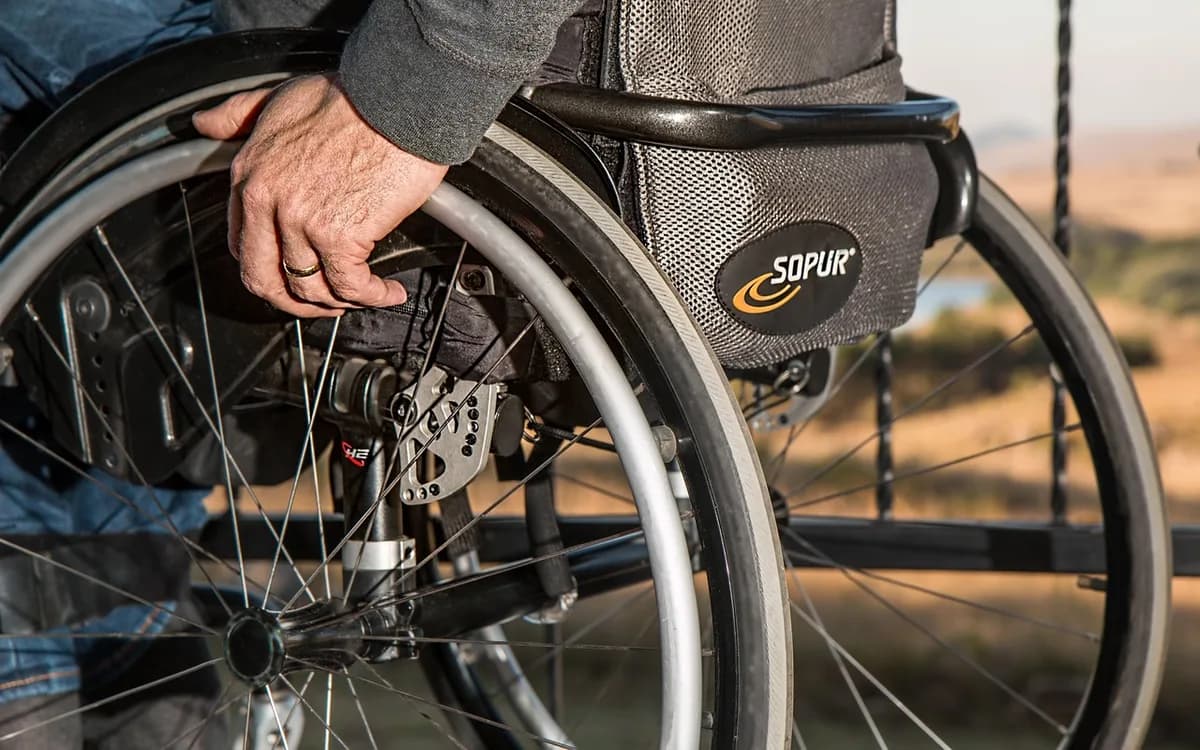
- Clear Pathways: Remove any clutter, loose rugs, or electrical cords that could be tripping hazards. Ensure there's enough space for a walker or wheelchair, especially if access into the house or to the bathroom is narrower.
- Essential Items Accessible: Place frequently used items like medicines, water, books, and the phone within easy reach, ideally next to where the patient will rest.
- Bathroom Safety: Consider installing temporary grab bars in the bathroom if needed. Ensure a non-slip mat is used in the shower area. The route to the bathroom should be clear and well-lit.
- Sleeping Arrangements: If climbing stairs is difficult, consider setting up a temporary sleeping area on the ground floor. Ensure the bed height is comfortable for easy access.
- Lighting: Good lighting, especially at night, can prevent falls. Nightlights in hallways and bathrooms are a good idea.
Understanding Your Post-Surgery Care
Your surgeon and hospital team will provide specific discharge instructions. It's crucial to understand these thoroughly before leaving the hospital. These instructions will cover:
- Medication Management: Know which medicines to take, when, and how. Keep a clear schedule for pain relief and other prescribed drugs. Report any side effects to your doctor.
- Wound Care: You'll receive guidance on how to care for your surgical incision, including when and how to change dressings. Look out for signs of infection like increased redness, swelling, warmth, or discharge.
- Diet and Hydration: Follow any dietary recommendations. Staying well-hydrated is always important for healing. Start with light, easily digestible foods.
- Activity Restrictions: Understand any limits on lifting, bending, or specific movements. Gradually increasing activity is important, but overdoing it can hinder recovery.
- Follow-up Appointments: Keep track of any scheduled follow-up visits with your surgeon.
The Role of Home Physiotherapy in Nanded Gaon
Physiotherapy is often a cornerstone of post-surgery rehabilitation, helping you regain strength, mobility, and function. For residents in Nanded Gaon (pin code 411041), home physiotherapy in Nanded Gaon offers personalised care in the comfort of your own environment. Our physiotherapists travel from our clinic base on Katraj–Kondhwa Road, via Sinhagad Road, towards Nanded Phata, navigating the local congestion to reach your doorstep.
Home sessions are particularly beneficial as they allow the therapist to tailor exercises to your actual living space. This means focusing on practical challenges specific to Nanded Gaon homes, such as safely navigating the way into the house, managing the route to the bathroom, and adapting exercises for floor sitting and squatting, which are common needs for older residents dealing with stiff knees and arthritis.
Early mobilisation through physiotherapy is crucial for preventing complications like muscle atrophy, stiffness, and blood clots, and can lead to a smoother recovery. Your physiotherapist will also work with a family member or caregiver to create an exercise plan that they can help you follow between sessions, ensuring consistent progress. This collaborative approach enhances overall recovery and builds confidence.
For more comprehensive information on recovering after surgery, you may find our guide on Home Rehabilitation After Surgery helpful.
Safe Movement and Daily Activities
After surgery, your body needs time to heal, but it also benefits from gentle, controlled movement. Prolonged bed rest can lead to complications.
- Start Slowly: Begin with small, gentle movements as advised by your physiotherapist. This might involve simple exercises in bed or moving from bed to a chair.
- Walking: As you gain strength, short, frequent walks are excellent for circulation and building endurance. Gradually increase the distance and duration. Be mindful of the congestion around Nanded Phata if you plan to walk outdoors, and choose quieter lanes.
- Posture: Maintain good posture, especially if you're recovering from back surgery. Many residents experience back pain from daily travel along Sinhagad Road, so paying attention to how you sit, stand, and move is key.
- Lifting: Avoid heavy lifting. Your doctor or therapist will advise you on safe weight limits.
- Listen to Your Body: Pain is a signal to slow down. Do not push through sharp or increasing pain.
Recognising Warning Signs: When to Seek Urgent Medical Help
While some discomfort is normal after surgery, certain symptoms require immediate medical attention. It's vital for patients and families in Nanded Gaon to know these signs:
- Severe or Worsening Pain: Pain that is not controlled by medication, or suddenly becomes much worse.
- Signs of Infection: Increased redness, swelling, warmth, severe tenderness, or pus/foul-smelling discharge at the surgical site. A fever above 101°F (38.3°C) after the first 24 hours.
- Chest Pain or Difficulty Breathing: Shortness of breath, chest pain, coughing (especially if coughing up blood), sweating, or a very fast heartbeat. These can indicate a serious complication like a pulmonary embolism. Call emergency services immediately.
- Swelling or Pain in One Leg: Especially in the calf or thigh, with redness or warmth, which could indicate a deep vein thrombosis (blood clot). Seek urgent medical review.
- Excessive Bleeding: Bright red blood soaking through your bandage, or bleeding that does not slow down.
- Nausea, Vomiting, or Gastrointestinal Issues: Persistent nausea or vomiting that prevents you from keeping down fluids, or severe abdominal pain.
- Inability to Urinate: If you cannot urinate for 6-8 hours after surgery, contact your surgeon.
- Sudden Weakness or Numbness: Especially on one side of the body, or sudden changes in vision or speech.
- Confusion or Disorientation: Beyond normal grogginess from anaesthesia.
If you experience any of these serious symptoms, do not delay. Contact your surgeon or go to the nearest emergency room immediately. It's always better to be cautious.
Family and Caregiver Support
Family members play an invaluable role in post-surgery recovery. Your support can significantly impact the patient's physical and emotional well-being.
- Assistance with Daily Tasks: Help with cooking, cleaning, and errands, especially during the first few weeks when the patient has limited mobility.
- Medication Reminders: Help ensure medications are taken on time.
- Emotional Support: Recovery can be frustrating. Offer encouragement and patience.
- Physiotherapy Support: Actively participate in physiotherapy sessions if possible, learn the exercises, and encourage the patient to follow their home exercise plan. This is especially important as home sessions here often focus on creating a plan that the person supervising can follow.
- Observation: Be vigilant for any warning signs or changes in the patient's condition and report them to the healthcare team.
Long-Term Recovery and Staying Active
Recovery is a journey, not a destination. While the initial weeks are critical, continuing to build strength and maintain an active lifestyle is important for long-term health. Keep up with the exercises recommended by your physiotherapist and gradually reintroduce activities you enjoy. For ongoing support in your recovery journey, including after stroke or other conditions, consider home physiotherapy in Nanded City.
Many older residents in Nanded Gaon commonly need support for knee pain and arthritis, and back pain from daily travel along Sinhagad Road. Regular, appropriate exercise, even after initial post-surgical recovery, can help manage these conditions and improve overall quality of life. Remember, consistency is key, and adapting activities to your home environment, as taught by your home physiotherapist, will empower you to stay active safely.